Author: live365days

  • The Ultimate Guide to Ultralight Tents

    The Ultimate Guide to Ultralight Tents

    When it comes to ultralight (UL) backpacking, the “Big Three”—your pack, sleeping system, and shelter—account for the bulk of your gear weight. For years, shaving pounds off your shelter meant spending $400 to $700+ on premium cottage-brand tents.

    Enter Naturehike. Over the past several years, the brand has revolutionized the outdoor industry by delivering ultralight, silicone-coated ripstop nylon shelters at a fraction of the cost. But do these budget-friendly tents actually hold up in harsh weather, heavy winds, and prolonged rain?

    Here is a deep-dive review of Naturehike’s top ultralight tent models, their field performance, and whether one deserves a spot in your pack.

    Why Naturehike Has Earned a Cult Following

    Naturehike bridged a massive gap in the market: providing technical, lightweight materials (like 20D/15D Silicone-Coated Nylon and 7001 Aluminum poles) without the extreme price tag.

    • Exceptional Value: Most Naturehike tents come in under $200 while weighing under 4 lbs (1.8 kg).
    • Included Footprints: Unlike many high-end brands that charge an extra $40–$60 for a ground tarp, Naturehike almost always includes a matching footprint right out of the box.
    • High Waterproof Ratings: Their 20D Silnylon series features PU 4000mm hydrostatic head ratings with factory-taped seams to withstand heavy downpours.

    Model Spotlight: Which One Fits Your Hiking Style?

    1. Cloud Up Series (The All-Rounder)

    The Cloud Up is arguably Naturehike’s most famous design. Built on a hubbed “Y-pole” system, it offers a semi-freestanding design that sets up in under 5 minutes.

    • Best For: Solo hikers or couples who want a quick, reliable pitch on rocky or hard ground.
    • Packed Weight (20D 2P): ~3.8 lbs (1.7 kg)
    • Key Strengths: Handles high winds remarkably well due to its aerodynamic tapered profile.
    • Trade-off: Front-entry door means crawling in head-first, which can feel tight for two full-sized adults.

    2. VIK Series (The Fast & Light Single-Wall)

    If your primary goal is shedding every possible gram without switching to a trekking pole setup, the VIK 1 or VIK 2 is a standout option.

    • Best For: Gram-counters and fastpackers.
    • Packed Weight (VIK 1): ~2.3 lbs (1.04 kg)
    • Key Strengths: Single-wall construction with integrated fly for lightning-fast pitch during rainstorms.
    • Trade-off: Single-wall tents require proper ventilation setup (opening vents) to manage morning condensation.

    3. Star River 2 (Maximum Livability)

    If you hate feeling cramped, the Star River 2 features a dual-door, dual-vestibule cross-pole design.

    • Best For: Backpackers sharing a tent or those who want side doors for easy entry/exit.
    • Packed Weight: ~4.1 lbs (1.95 kg)
    • Key Strengths: Steep sidewalls provide ample headroom to sit up, and dual vestibules give both hikers dedicated gear storage.

    Real-World Field Performance

    Performance MetricRatingNotes
    Waterproofing4.5 / 5Silicone-coated 20D fabric sheds rain effortlessly. Silnylon can stretch slightly when wet, so re-tensioning guy lines before bed is recommended.
    Wind Resistance4.0 / 5Aluminum 7001 poles flex well under wind loads without snapping. Fully staking guy points is key.
    Durability3.8 / 5Thin 20D fabrics require basic care—always use the included footprint to prevent punctures from sharp rocks or pine needles.
    Ease of Pitch4.8 / 5Color-coded pole structures and snap-on clips make single-person pitching effortless.

    Tips for Getting the Most Out of Your Naturehike Tent

    1. Always Use the Footprint: The 20D nylon floor is lightweight and waterproof, but thin. Protecting it with the included footprint dramatically extends its lifespan.
    2. Master the Guy Lines: In high winds, pitch the narrower rear end of the tent into the wind direction and stake out all secondary guy lines to keep the structure rigid.
    3. Ventilate to Prevent Moisture: Crack top vents or zip mesh doors down slightly on cold nights to keep air flowing and prevent condensation buildup inside.

    The Verdict: Is It Worth It?

    If you are a weekend warrior, a budget-conscious thru-hiker, or someone looking to transition into ultralight backpacking without spending a fortune, Naturehike offers some of the best weight-to-dollar ratios on the market today.

    To explore the official lineup, compare current specs, or pick up a shelter for your next trail adventure:

    👉 Explore the official Naturehike Outdoor Store here

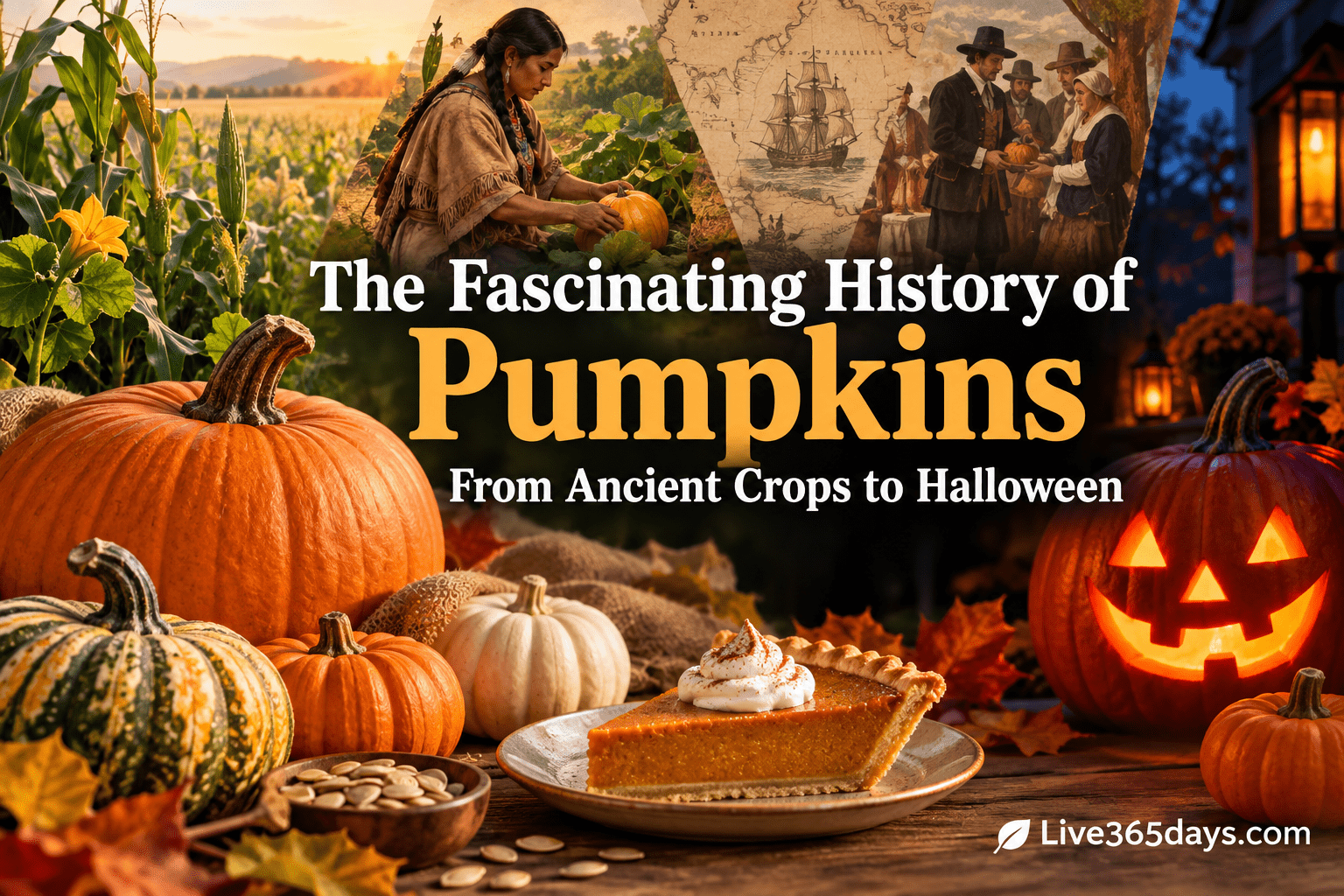
  • The Fascinating History of Pumpkins: From Ancient Crops to Halloween

    The Fascinating History of Pumpkins: From Ancient Crops to Halloween

    www.sentrypc.com

    Every autumn, pumpkins appear everywhere—on kitchen tables, in markets, farms, festivals and front porches. They become pies, soups, breads and decorations, while carved pumpkins light up Halloween celebrations.

    But pumpkins are much more than a symbol of autumn.

    Their story stretches back thousands of years across the Americas. Long before pumpkin pie and jack-o-lanterns became familiar traditions, Indigenous peoples cultivated squash as an important food crop and incorporated it into sophisticated agricultural systems.

    So, where did pumpkins come from, and how did they become such an important part of modern culture?

    Let’s explore the fascinating history of pumpkins.

    Where Did Pumpkins Come From?

    Pumpkins belong to the squash family and are native to the Americas. Archaeological evidence shows that squash was among the early plants domesticated by people in the Americas, with cultivation dating back thousands of years.

    The earliest forms were very different from the large, bright-orange pumpkins commonly seen today. Over generations of cultivation and selection, people developed varieties with different sizes, shapes, textures and flavors.

    Pumpkins and other squashes became valuable because they were nutritious, versatile and could be stored for later use. Their importance extended beyond food—they became part of agricultural knowledge, seasonal traditions and cultural practices.

    The Smithsonian notes that squashes were important dietary and cultural staples for ancient communities in Mesoamerica and that the plants people cultivated thousands of years ago looked quite different from many modern varieties.

    The Three Sisters: Corn, Beans and Squash

    One of the most fascinating chapters in pumpkin history is connected to the agricultural tradition commonly known as the Three Sisters.

    In this system, corn, beans and squash were grown together. Different Indigenous nations developed and adapted versions of this practice to their own environments and traditions.

    The three crops complemented one another.

    • Corn could provide a natural structure for climbing bean plants.
    • Beans contributed nitrogen to the soil through their relationship with nitrogen-fixing bacteria.
    • Squash and pumpkin leaves spread across the ground, helping suppress weeds and reduce evaporation.

    The U.S. Department of Agriculture’s National Agricultural Library describes the Three Sisters as more than an agricultural technique. It is also a cultural and spiritual tradition with different meanings and stories among Indigenous communities.

    This is an important reminder that traditional agriculture was not simply about growing food. It could combine ecological knowledge, nutrition, community practices and cultural identity.

    The Story Behind the Name “Pumpkin”

    The word pumpkin has a long linguistic journey.

    The HubPages article traces the word through the Greek pepon, associated with a large melon, followed by French and English forms before the modern word “pumpkin” emerged.

    However, the historical terminology was not always referring specifically to the modern pumpkin varieties we recognize today. Words such as pompon and pumpion were used for melon-like fruits and related gourds.

    As European settlers encountered unfamiliar plants in the Americas, existing European words and new American crops became intertwined.

    Language, like food, changed as cultures met.

    How Indigenous Peoples Used Pumpkins and Squash

    For Indigenous communities, squash was not simply an autumn decoration.

    Different communities developed many ways of preparing and preserving squash. It could be cooked, roasted, dried and incorporated into meals.

    The Three Sisters agricultural system also helped provide complementary crops from the same growing area. Historical research documents a wide range of foods prepared from corn, beans and squash among Indigenous communities in parts of northeastern North America.

    This agricultural heritage is particularly significant because it demonstrates how traditional food systems could be adapted to local environments while providing diverse sources of nutrition.

    How Pumpkin Became Part of European-American Cuisine

    When Europeans arrived in the Americas, they encountered crops that were unfamiliar in Europe. Pumpkins and other squashes eventually crossed the Atlantic as part of the Columbian Exchange.

    European cooks began experimenting with these new ingredients.

    Pumpkin was cooked in different ways, including as a vegetable and in dishes resembling pies. Early versions were not necessarily the sweet, smooth custard pies that many people associate with Thanksgiving today.

    Historical records show that pumpkin dishes evolved considerably over time.

    The Library of Congress notes that seventeenth-century pumpkin pies could contain sliced pumpkin combined with sugar, spices and other ingredients. By the late eighteenth century, recipes had moved closer to the pumpkin pie familiar today.

    The Evolution of Pumpkin Pie

    So, who invented pumpkin pie?

    There isn’t a single inventor.

    Instead, pumpkin pie developed gradually through the interaction of Indigenous American crops and European culinary traditions.

    Early recipes varied enormously. Some involved pumpkin cooked with milk and spices, while other preparations used pumpkin alongside apples or other ingredients.

    One particularly interesting early method involved cooking a filled pumpkin rather than placing pumpkin custard inside a conventional pastry crust.

    Over time, cooks developed more recognizable pie recipes.

    In 1796, Amelia Simmons’ American Cookery included pumpkin pie recipes, helping establish pumpkin pie as part of the developing American culinary tradition.

    Today, pumpkin pie is strongly associated with Thanksgiving in the United States, but its history is actually a story of agricultural exchange, adaptation and culinary experimentation.

    How Pumpkins Became Jack-o-Lanterns

    Perhaps no pumpkin tradition is more recognizable than the jack-o-lantern.

    But pumpkins were not the original vegetables used for Halloween lanterns.

    The tradition of carving lanterns developed in Ireland and other parts of the British Isles, where people carved vegetables such as turnips and placed lights inside them.

    Irish immigrants brought the tradition to North America.

    There, they discovered pumpkins—larger, softer and generally easier to carve than turnips.

    The pumpkin gradually became the preferred material for Halloween lanterns in North America.

    Today, the carved pumpkin is one of the world’s most recognizable Halloween symbols.

    From Farm Crop to Global Autumn Symbol

    The transformation of the pumpkin is remarkable.

    It began as an important crop cultivated by Indigenous peoples of the Americas. Over centuries, it became part of European-American cuisine and eventually developed into a major cultural symbol.

    Today, pumpkins appear in:

    • Halloween decorations
    • Thanksgiving meals
    • Pumpkin pies
    • Soups and curries
    • Breads and cakes
    • Seeds and snacks
    • Farm festivals
    • Autumn markets
    • Seasonal beverages
    • Agricultural fairs

    The pumpkin has therefore become much more than a food.

    It represents harvest, seasonal change, farming, creativity and celebration.

    Pumpkins and Sustainable Agriculture

    The history of pumpkins also offers an interesting lesson for modern agriculture.

    The Three Sisters approach demonstrates how different crops can complement one another rather than always being grown in isolation.

    Modern agriculture faces challenges involving soil degradation, water availability, biodiversity and climate change. Traditional agricultural knowledge can provide useful ideas for thinking about crop diversity, ground cover and resource efficiency—although traditional systems should be understood within their specific cultural and ecological contexts rather than treated as one universal farming formula.

    The Three Sisters model remains an important example of agricultural knowledge that connects food production with ecological relationships.

    Are Pumpkins a Fruit or a Vegetable?

    Here’s a fun fact: botanically, a pumpkin is a fruit.

    Why?

    Because it develops from the flower of the plant and contains seeds.

    In everyday cooking, however, pumpkins are generally treated as vegetables because of how they are prepared and served.

    This is one of those fascinating cases where botanical classification and culinary classification don’t quite agree.

    Why Do Pumpkins Have So Many Different Shapes and Colors?

    The familiar orange pumpkin is only one form.

    Pumpkins and related squashes can be:

    • Orange
    • White
    • Green
    • Yellow
    • Striped
    • Small and round
    • Long and cylindrical
    • Giant and heavy

    Farmers and gardeners have selected pumpkin varieties for different characteristics over generations, including flavor, size, storage ability, appearance and suitability for carving.

    The enormous variety we see today is therefore the result of both natural diversity and human cultivation.

    What Makes Pumpkin History So Fascinating?

    The history of pumpkins tells a much bigger story than the history of one crop.

    It connects:

    Indigenous agriculture → crop domestication → cultural traditions → global food exchange → culinary innovation → Halloween

    It also reminds us that many foods we consider ordinary have extraordinary histories.

    The pumpkin sitting on a doorstep may look simple, but behind it lies thousands of years of farming, adaptation and cultural exchange.

    Frequently Asked Questions About Pumpkin History

    Where did pumpkins originate?

    Pumpkins and related squashes originated in the Americas and were cultivated by Indigenous peoples thousands of years ago.

    What are the Three Sisters?

    The Three Sisters refers to an Indigenous agricultural system involving corn, beans and squash. Different Indigenous nations developed their own versions and cultural traditions surrounding the crops.

    Who invented pumpkin pie?

    There was no single inventor. Pumpkin pie developed gradually through the combination of Indigenous American pumpkins and European culinary traditions.

    Why are pumpkins associated with Halloween?

    Pumpkin carving developed in North America from older European traditions of carving vegetables such as turnips into lanterns. Pumpkins were larger and easier to carve, helping them become the iconic Halloween lantern.

    Is pumpkin a fruit?

    Yes. Botanically, pumpkin is a fruit because it develops from a flower and contains seeds.

    Final Thoughts

    From ancient fields to modern Halloween celebrations, the pumpkin has travelled an extraordinary cultural journey.

    It began as an important crop in the Americas, became part of Indigenous agricultural traditions such as the Three Sisters, crossed oceans through the exchange of crops and ideas, entered European-American cuisine and eventually became a global symbol of autumn.

    The next time you see a pumpkin, remember that you’re looking at more than a seasonal decoration.

    You’re looking at a small piece of agricultural and cultural history.

    What we grow, cook and celebrate today is often connected to stories that began thousands of years ago.

    At Live365days, we believe that discovering these stories helps us appreciate food, nature, culture and the world around us a little more deeply.


  • You Really Earn daily Cash by Playing Games

    You Really Earn daily Cash by Playing Games

    CashGamer App Review:

    What if the games you play on your phone could also give you the opportunity to earn rewards?

    That idea has made play-to-earn and reward gaming apps increasingly popular. One app getting attention in this space is CashGamer: Earn Rewards & Play, developed by Dema.Games.

    CashGamer connects users with mobile games and offers rewards for eligible gaming activity. If you’re curious about how this type of app works, you can check out the platform here and explore it for yourself.

    Disclosure: This article contains an affiliate link. If you use the link and complete an eligible action, we may receive a commission at no additional cost to you.

    What Is CashGamer?

    CashGamer is an Android rewards application designed around a straightforward concept:

    Play games → Complete eligible activities → Earn rewards → Cash out

    Rather than simply downloading games from the Play Store, users can discover games through the CashGamer platform and participate in eligible gaming activities.

    For people who already spend time playing mobile games, the idea is appealing because it attempts to turn some of that entertainment time into rewards.

    If you’re wondering what the experience looks like, you can explore the app and see what games are currently available.

    How Does CashGamer Work?

    The basic process is relatively simple.

    1. Discover Games

    Users can browse games promoted through the platform.

    2. Select a Game

    Choose a game that interests you and review the requirements associated with the offer.

    3. Start Playing

    Play the selected game while meeting the applicable conditions.

    4. Earn Rewards

    Eligible activity can generate rewards within the platform.

    5. Withdraw Your Rewards

    Once you meet the applicable withdrawal requirements, you can use the available cash-out option.

    The exact rewards, requirements and available games can change over time, so it’s worth checking the current conditions before spending a lot of time on any particular offer.

    Curious to see whether it’s available for you? Take a look here and explore CashGamer yourself.

    Is CashGamer Free?

    CashGamer is available as a mobile application, and users can explore the platform without treating it like a traditional paid game.

    However, “free” doesn’t necessarily mean there are no conditions. Reward platforms can have eligibility requirements, minimum withdrawal thresholds, tracking rules and other terms.

    Always read the current offer details before beginning.

    How Do Apps Like CashGamer Make Money?

    This is probably the most interesting part of the business model.

    Reward gaming platforms need revenue to provide rewards to users. One common model involves partnerships with game developers, advertisers and other companies looking to acquire new users.

    The general ecosystem can look like this:

    Game Developer / Advertiser → Reward Platform → Player

    A developer may pay for user acquisition or engagement. The rewards platform receives revenue and can then share part of that value with users.

    Advertising can provide another source of revenue.

    This creates a model where everyone can potentially benefit:

    • Players discover new games and receive rewards.
    • Game developers acquire new players.
    • Advertisers reach a gaming audience.
    • The platform earns revenue from partnerships and advertising.

    Can You Actually Make Money Playing Games?

    This is where expectations are important.

    Reward gaming apps should generally be viewed as a way to earn small rewards from spare time, rather than as a replacement for employment or a guaranteed income source.

    Your results can depend on factors such as:

    • The games available in your country
    • The specific offer
    • How long you play
    • The requirements of each promotion
    • Whether your activity is tracked correctly
    • Current reward rates
    • Withdrawal requirements

    Therefore, don’t assume that spending several hours gaming will automatically result in a large payment.

    Instead, treat it as an experiment.

    Check the platform yourself, look at the current offers, and decide whether the rewards are worth your time.

    What Should You Check Before Using a Reward App?

    Before spending significant time on any rewards platform, there are several things worth checking.

    Minimum Withdrawal

    Find out how much you need to earn before requesting a withdrawal.

    Payment Methods

    Check which payment methods are currently supported in your country.

    Tracking

    Make sure you understand how the platform tracks eligible gaming activity.

    Offer Conditions

    Some offers may require you to reach a particular level or complete a specific task.

    Privacy

    Review the application’s permissions and privacy policy before providing personal information.

    User Reviews

    Look at recent reviews rather than relying only on old comments. Apps and reward systems can change significantly over time.

    Is CashGamer Worth Trying?

    That depends on what you’re expecting.

    If you’re looking for a guaranteed source of income, a gaming rewards app isn’t the right thing to rely on.

    But if you already enjoy mobile gaming and are interested in seeing whether your gaming time can generate occasional rewards, it may be worth exploring.

    One of the easiest ways to decide is simply to visit the platform, see what’s currently offered and make your own judgment.

    Tips for Getting the Most From Reward Gaming Apps

    If you decide to experiment with CashGamer or similar platforms, keep these tips in mind:

    Start small. Test one or two offers before committing significant time.

    Read the requirements. Don’t assume that simply installing a game automatically qualifies you for a reward.

    Track your progress. Screenshots can be useful if you need to contact support about an issue.

    Don’t spend money unnecessarily. Be cautious about offers that require purchases simply to chase rewards.

    Calculate your time. If an offer takes several hours for a very small reward, it may not be worthwhile.

    Final Thoughts

    CashGamer is part of a growing category of mobile applications that attempt to combine gaming and rewards.

    The concept is simple and interesting: discover games, play them, complete eligible activities and potentially receive rewards.

    But the key word is potentially.

    Reward amounts, available games, eligibility and withdrawal conditions can change, and earnings shouldn’t be treated as guaranteed income.

    Sometimes the best way to understand a new rewards app isn’t by reading another claim about how much you can earn—it’s by seeing what’s actually available and making your own decision.

  • Giorgia Meloni Makes Italian History as Longest-Serving Postwar Prime Minister

    Giorgia Meloni Makes Italian History as Longest-Serving Postwar Prime Minister

    www.sentrypc.com

    Rome, September 7, 2026 — Italian Prime Minister Giorgia Meloni has reached a historic political milestone, with her government becoming the longest continuously serving administration in Italy since the end of World War II.

    Meloni’s government completed 1,413 consecutive days in office, surpassing the previous record of 1,412 days held by former Prime Minister Silvio Berlusconi’s second government, which served from 2001 to 2005.

    The achievement is particularly significant in Italy, a country that has experienced frequent changes of government since the establishment of the republic in 1946. Reuters estimates that Italy has had 68 governments and 31 prime ministers over the past eight decades, making political longevity an unusual achievement.

    From Political Outsider to Italy’s Longest-Serving Postwar Leader

    Meloni became prime minister in October 2022 after her Brothers of Italy party emerged as the leading force in the country’s general election. She formed a coalition government with the League and Forza Italia.

    Her political rise attracted international attention because of the conservative and nationalist roots of Brothers of Italy. Since entering government, however, Meloni has pursued a pragmatic approach on several European and international issues, while maintaining a firm conservative position on immigration, security and social policy.

    Her government has also sought to present political stability as one of its central achievements.

    A Record Built on Coalition Stability

    Keeping Italy’s governing coalition together has been one of Meloni’s most notable political accomplishments.

    Despite disagreements within the coalition and pressure from both the opposition and parties further to the right, her administration has remained in office without interruption. The stability has given Meloni greater influence both domestically and internationally.

    The government has pointed to employment growth, fiscal management and lower irregular migration as important elements of its record. Critics, however, argue that major structural challenges — including weak economic growth, productivity, healthcare and education — remain unresolved.

    A Mixed Record on Reform

    Meloni’s longevity does not necessarily mean that all of her government’s major policy ambitions have been achieved.

    Several proposed institutional reforms have faced significant obstacles. A judicial reform initiative was rejected in a referendum, while plans for broader constitutional changes have also encountered resistance.

    At the same time, her government has advanced legislation focused on public security, immigration controls and tax measures. This combination of limited progress on some major reforms and stronger action in other policy areas has produced a mixed assessment of her first years in office.

    Recognition From India

    The milestone has also received international attention.

    Indian Prime Minister Narendra Modi congratulated Meloni on September 4, describing her achievement as a reflection of the trust and confidence of the Italian people. Modi also highlighted the importance of the relationship between India and Italy and their India-Italy Special Strategic Partnership.

    The relationship between New Delhi and Rome has expanded in recent years across areas including trade, investment, technology, defence and broader strategic cooperation.

    What Comes Next for Meloni?

    Meloni’s record-breaking tenure gives her a powerful political message as Italy moves toward its next national election.

    Her government can point to something rare in modern Italian politics: continuity. But longevity alone will not determine how voters judge her administration.

    The bigger question will be whether the stability achieved during her tenure translates into lasting improvements in Italy’s economy, public services and living standards.

    Meloni’s political challenge now is therefore more complicated than simply remaining in power. She must demonstrate that the stability of her government has produced results that Italian voters can see in their everyday lives.

    For now, however, her place in Italy’s political history is secure. After nearly four years in office, Giorgia Meloni has become the longest continuously serving Italian prime minister of the post-World War II era — a milestone that would have seemed unlikely in a country long associated with political turnover.

    Update: September 4, 2026. Political developments and official figures may change as new information becomes available.

  • Nepal Flood Disaster: More Than 1,200 Dead and Thousands Missing as Search for Survivors Continues

    Nepal Flood Disaster: More Than 1,200 Dead and Thousands Missing as Search for Survivors Continues

    Kathmandu, Nepal | September 7, 2026

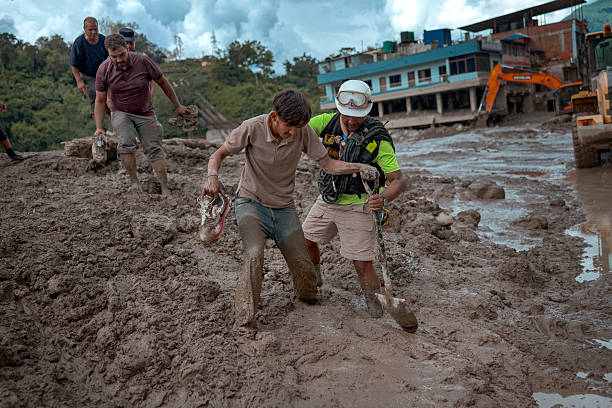
    Nepal is facing a catastrophic humanitarian crisis after a devastating flood and landslide disaster swept through Himalayan valleys on August 26, destroying communities, roads, bridges and hydropower infrastructure and leaving thousands of people dead or missing.

    According to the latest figures released by Nepalese authorities, 1,252 bodies had been recovered and around 4,216 people were still reported missing as of September 3. Nearly 12,000 people had been rescued. The figures remain provisional as search, recovery and identification operations continue.

    Search and rescue operations continue

    More than a week after the disaster, rescue teams are still searching through enormous quantities of mud, rocks and debris for survivors and missing people.

    One of the most challenging operations is taking place around several hydropower projects along the Bhotekoshi and Trishuli river corridors. Authorities believe around 900 people may still be unaccounted for at six hydropower facilities, with some potentially trapped inside tunnels or underground chambers.

    Engineers and rescue specialists are using tunnel maps, excavators, pumps, controlled blasting and other equipment to reach areas that became inaccessible after the flood.

    A network of more than 500 engineers has also been sharing technical information remotely to help rescuers understand tunnel layouts and determine where missing workers may have been located before the disaster.

    Entire communities devastated

    The Bhotekoshi and Trishuli river corridors have suffered some of the worst destruction.

    Powerful flows of water, mud and rock swept through settlements, destroying houses and infrastructure and dramatically changing parts of the river valleys. Reuters reported that some previously inhabited areas were left covered in mud and debris, with little remaining of buildings and other structures.

    The destruction has also severely affected transportation and trade routes connecting Nepal with China.

    Thousands of residents have been displaced, while many communities remain dependent on emergency assistance for food, medicine, clean water and shelter.

    Thousands remain missing

    The number of missing people remains one of the most troubling aspects of the disaster.

    Nepalese authorities have reported more than 4,200 people missing, although the figure may change as authorities compare missing-person reports, hospital records and information from families with recovered bodies.

    The situation is particularly painful for families who have received no confirmation about relatives who were working at hydropower projects, travelling through the affected region or living in communities along the river.

    Foreign nationals are also among those reported missing. Nepal has been coordinating with diplomatic missions and international authorities to verify identities and locate people who may have survived.

    What caused the disaster?

    The disaster has been linked to a major glacier and ice-and-rock collapse in the Himalayan region near the Nepal-China border.

    The resulting surge of water and debris entered the Bhotekoshi river system before moving downstream into the Trishuli valley. Reuters has described the event as a catastrophic flood triggered by a glacier collapse.

    However, scientists and authorities are still examining the precise sequence of events and the contribution of different geological and hydrological factors.

    The disaster has also renewed concerns about the vulnerability of Himalayan communities to rapidly changing environmental conditions, including glacier instability, landslides and extreme flooding.

    Hydropower sector badly hit

    Nepal’s hydropower industry has been particularly affected.

    Several hydropower facilities and construction sites lie along the river corridors that were hit by the flood. Workers were among those caught in the disaster, while tunnels and access roads were damaged or buried.

    The sector is strategically important to Nepal because the country has invested heavily in hydropower to meet domestic electricity demand and develop electricity exports.

    The disaster has therefore created not only a humanitarian emergency but also a significant infrastructure and economic challenge.

    International rescue assistance

    Nepal’s emergency response has received international support as the scale of the disaster has become clearer.

    Specialised teams and assistance have been provided by countries including India, China and South Korea, while international expertise is being used for tunnel rescue, engineering assessments and identification of recovered bodies.

    Nepal’s own army, police and armed police forces remain heavily involved in search-and-rescue operations.

    The difficult terrain, collapsed roads, destroyed bridges and enormous quantities of debris continue to make ground operations extremely challenging.

    Survivors face a second crisis

    For people who survived the flood, the emergency is far from over.

    Thousands have lost homes, possessions and sources of income. Communities are facing shortages of essential medicines, clean water, food and safe shelter.

    Associated Press reported that more than 4,500 displaced people were staying in 38 relief centres, while other survivors remained in isolated or damaged communities.

    Health officials and humanitarian organisations are also concerned about sanitation and hygiene in temporary shelters. Maintaining access to clean water and preventing disease outbreaks will be critical in the coming weeks.

    Children are among those particularly affected, with schools and community infrastructure damaged in some areas.

    Reconstruction could take years

    The destruction is expected to create a long-term reconstruction challenge for Nepal.

    Reuters reported that approximately 20,000 homes were destroyed or rendered uninhabitable, with at least 7,500 reportedly completely destroyed. The damage extends across homes, roads, bridges, hydropower projects, commercial facilities and other infrastructure.

    Rebuilding will require enormous financial resources as well as long-term support for displaced families and affected communities.

    The disaster also raises difficult questions about how infrastructure is planned and protected in high-risk Himalayan valleys, where settlements, roads and hydropower projects are often concentrated alongside steep rivers.

    A tragedy still unfolding

    Nepal’s flood disaster is no longer only a search-and-rescue emergency. It is becoming a major humanitarian and reconstruction crisis.

    Behind every number is a family waiting for information, a community searching through debris, or a survivor trying to rebuild a life after losing a home or livelihood.

    With thousands still missing and rescue teams continuing to search damaged tunnels and river valleys, the final human cost of the disaster remains unknown.

    For now, the priority remains clear: find those who may still be alive, identify the dead, support survivors and ensure that affected communities are not left alone to rebuild.


    Current situation at a glance

    Disaster: Catastrophic flooding and associated landslides/glacial collapse
    Date of major disaster: August 26, 2026
    Bodies recovered in Nepal: 1,252
    People reported missing: Approximately 4,216
    People rescued: Nearly 12,000
    People potentially unaccounted for around hydropower facilities: Approximately 900
    Majorly affected river systems: Bhotekoshi and Trishuli
    Response: Nepalese security forces supported by international rescue and technical teams
    Status: Search, rescue, identification and relief operations ongoing

    Figures are provisional and may change as search and identification operations continue. This article was updated September 4, 2026, using the latest available government figures and reporting.

  • Ukraine Peace Efforts Gain New Attention as Putin Signals Possibility of Agreement

    Ukraine Peace Efforts Gain New Attention as Putin Signals Possibility of Agreement

    Ukraine Peace Efforts Gain New Attention as Putin Signals Possibility of Agreement

    September 7, 2026 | Europe

    Diplomatic efforts to end the war in Ukraine have received renewed attention after Russian President Vladimir Putin said there is a possibility of reaching an agreement, while Ukrainian President Volodymyr Zelenskyy said U.S. representatives are expected to engage with both Kyiv and Moscow.

    Putin said Thursday that he believed there was a chance of reaching a diplomatic settlement, offering one of the more positive recent public statements about the possibility of negotiations. At the same time, he raised concerns over recent developments that he said could make talks more difficult.

    U.S. Diplomacy Continues

    The United States has continued efforts to encourage a negotiated settlement.

    According to Zelenskyy, American representatives are expected to visit Kyiv and Moscow as part of renewed diplomatic activity.

    The involvement of Washington is significant because the United States remains one of the most important international actors in efforts to bring the two sides toward negotiations.

    However, important differences between Russia and Ukraine remain unresolved.

    Fighting Continues

    Despite the renewed diplomatic language, military activity has not stopped.

    Russia and Ukraine continue to exchange attacks, while both governments maintain positions on security, territory and the conditions required for a lasting settlement.

    This means that the latest diplomatic developments should not be interpreted as confirmation that a peace agreement has been reached.

    Instead, they represent a renewed opportunity for dialogue.

    Why the Talks Matter

    Any meaningful peace agreement would have consequences well beyond Ukraine.

    A reduction in fighting could improve regional security, reduce pressure on European countries and potentially ease disruptions to global food and energy markets.

    Ukraine is also a major agricultural producer, making stability important for international grain and food supply chains.

    For civilians living in affected areas, however, the most immediate concern remains safety and the restoration of normal life.

    What Happens Next?

    The coming diplomatic meetings could provide a clearer indication of whether the recent statements represent genuine progress or simply another temporary opening for negotiations.

    The key issues will include security guarantees, territorial questions, military arrangements and the terms of any ceasefire or longer-term settlement.

    For now, both diplomacy and military operations continue simultaneously.

    No peace agreement has been announced. The situation remains fluid and further developments are expected.

  • Strong El Niรฑo Could Increase Global Weather Risks Through 2027, WMO Warns

    Strong El Niรฑo Could Increase Global Weather Risks Through 2027, WMO Warns

    Strong El Niño Could Increase Global Weather Risks Through 2027, WMO Warns

    September 7, 2026 | Climate & Environment

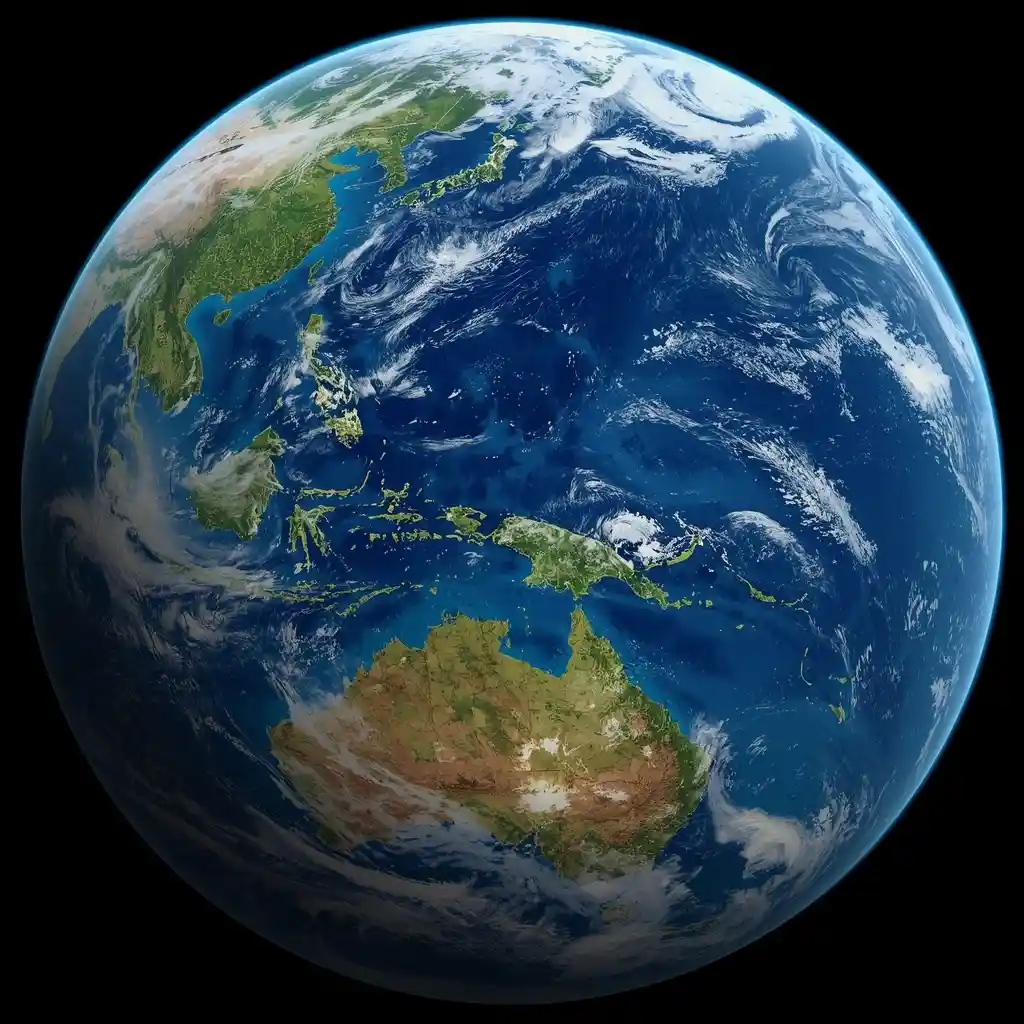
    The world’s weather systems could face increased pressure in the coming months as a strengthening El Niño event develops across the tropical Pacific Ocean.

    The World Meteorological Organization (WMO) said on September 3 that El Niño is already firmly established and is expected to strengthen further, potentially reaching very strong intensity later this year.

    The organisation also forecasts an exceptionally high, nearly 100% probability that El Niño will continue through February 2027.

    What Is El Niño?

    El Niño is a naturally occurring climate pattern associated with unusually warm ocean temperatures in the central and eastern tropical Pacific.

    Although it originates in the Pacific, its effects can influence atmospheric circulation and weather patterns around the world.

    The strength and location of its impacts vary from one El Niño event to another.

    Higher Risk of Extreme Weather

    The WMO warns that a very strong El Niño can significantly alter rainfall and temperature patterns.

    Some regions may experience heavier rainfall and increased flood risks, while others can face drought and unusually high temperatures.

    The effects can also influence agriculture, water resources, energy demand and public health.

    Importantly, El Niño does not mean every location will experience the same weather. Local conditions depend on geography and other climate factors.

    Food and Agriculture Concerns

    Changes in rainfall and temperature can have significant consequences for farmers.

    Drought can reduce crop yields and increase pressure on water supplies, while excessive rainfall can damage crops, soil and infrastructure.

    The WMO has highlighted the importance of early warnings and preparedness, particularly for climate-sensitive sectors such as agriculture, health, water management and energy.

    For countries already experiencing unusual weather, the strengthening El Niño could add another layer of uncertainty to seasonal planning.

    What About Climate Change?

    El Niño is a natural climate phenomenon and is not caused by climate change.

    However, scientists and international organisations are examining how a warming planet may influence the intensity and consequences of individual El Niño events.

    The combination of naturally occurring climate variability and long-term warming can create challenging conditions for communities already exposed to heat, drought, flooding and other weather extremes.

    Preparing for the Months Ahead

    The WMO is increasing cooperation with national meteorological and hydrological agencies to improve early-warning systems and preparedness.

    Governments, farmers, businesses and communities can use seasonal forecasts to prepare for possible changes in rainfall, temperature and water availability.

    The precise impacts will differ across regions, but the message from climate authorities is clear: early preparation can reduce the damage caused by extreme weather.

    Key Facts

    Climate pattern: El Niño
    Current status: Established and strengthening
    Expected persistence: Through February 2027
    Main concern: Changes in rainfall and temperature patterns
    Potential risks: Floods, drought, extreme heat and agricultural disruption
    Source: World Meteorological Organization

    Forecasts can change as new observations become available. Readers should follow their national meteorological agencies for local warnings and advisories.

  • US-Iran Tensions Escalate as Oil Prices Rise and Regional Security Concerns GrowSeptember 7, 2026 | World News

    US-Iran Tensions Escalate as Oil Prices Rise and Regional Security Concerns GrowSeptember 7, 2026 | World News

    US-Iran Tensions Escalate as Oil Prices Rise and Regional Security Concerns Grow

    September 7, 2026 | World News

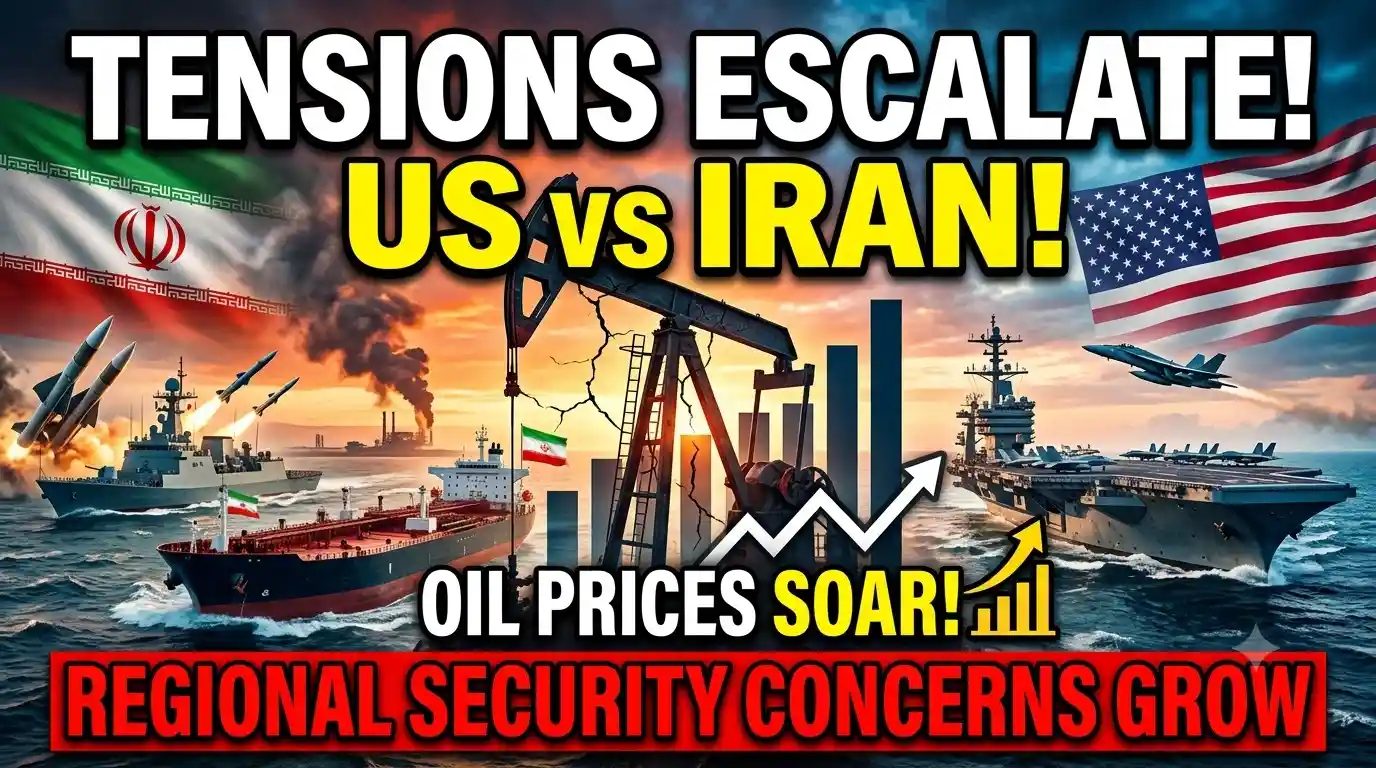
    Tensions between the United States and Iran have intensified again this week, raising concerns about regional security, international shipping and energy markets.

    The latest escalation follows renewed U.S. military strikes involving Iranian targets and retaliatory Iranian missile and drone attacks against locations in the Gulf region. Countries including Kuwait, Bahrain and Jordan have reported intercepting Iranian attacks.

    The developments come after months of conflict that began with U.S.-Israeli strikes against Iran earlier this year. Diplomatic efforts remain uncertain, while officials on both sides continue to exchange warnings.

    Strait of Hormuz Under Pressure

    One of the biggest international concerns is the security of the Strait of Hormuz, a vital maritime route for global energy supplies.

    Commercial shipping through the waterway remains below normal levels because of heightened security concerns. Any prolonged disruption could have consequences for global oil markets and countries that depend heavily on Middle Eastern energy supplies.

    Oil prices have already responded to the renewed uncertainty.

    According to Reuters, Brent crude was trading around $95.67 per barrel on September 4, while U.S. West Texas Intermediate stood at approximately $91.56 per barrel. Brent had gained about 7% over the week, while WTI had risen almost 10%.

    Diplomatic Options Remain Unclear

    Despite the military escalation, Washington has continued to signal that its objectives include putting pressure on Tehran over its military capabilities and nuclear ambitions.

    U.S. Vice President JD Vance has said Washington is not currently seeking negotiations unless Iran stops attacks affecting commercial shipping, while Iranian officials have maintained their own demands.

    The conflicting positions make a rapid diplomatic breakthrough uncertain.

    Impact Beyond the Middle East

    The consequences of the conflict could extend far beyond the region.

    Higher energy prices can increase transportation and manufacturing costs and potentially contribute to inflation in countries that import large quantities of oil.

    Asian economies, European countries and other major energy-importing markets are particularly sensitive to sustained increases in crude prices.

    For now, governments and businesses are closely monitoring developments around the Strait of Hormuz and the possibility of further escalation.

    What to Watch

    • Security of commercial shipping in the Strait of Hormuz
    • Further military action by the United States or Iran
    • Oil and fuel prices
    • Diplomatic efforts to reduce tensions
    • Potential effects on global inflation and trade

    This story is developing. Information and casualty figures may change as authorities release further updates.